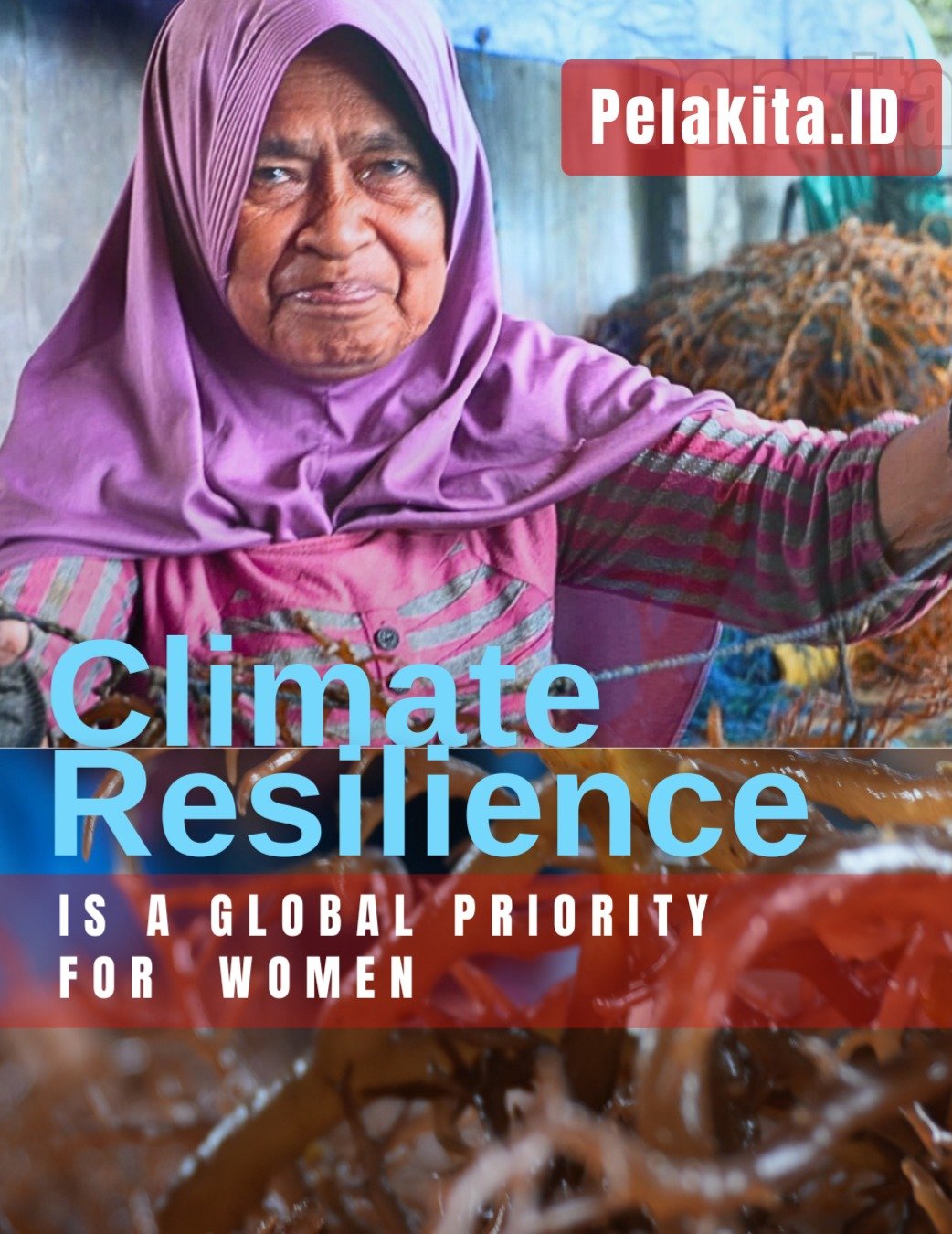


Constructive journalism is a more recent journalistic approach focused on rigorous reporting that also explores responses, progress, resilience, and solutions to social problems. Rather than concentrating solely on conflict, crisis, or negativity, constructive journalism seeks to provide a fuller picture of reality.
PELAKITA.ID – In the rapidly evolving media landscape, two important approaches have emerged as responses to the limitations of traditional journalism: citizen journalism and constructive journalism.
Although both seek to improve public communication and democratic participation, they differ significantly in philosophy, methodology, and intended impact.
One emphasizes public participation in news production, while the other focuses on solutions-oriented reporting that strengthens public understanding and engagement.
Understanding Citizen Journalism
Citizen journalism refers to the practice where ordinary individuals — not professionally trained journalists — collect, report, analyze, and distribute news and information.
The rise of smartphones, social media, blogs, and digital platforms has enabled citizens to become direct witnesses and storytellers of events happening around them.
The roots of citizen journalism can be traced to democratic communication theories and participatory media traditions. It gained momentum during the late 1990s and early 2000s as internet access expanded globally.
Events such as the 2004 Indian Ocean tsunami, the Arab Spring, and various protest movements demonstrated how ordinary citizens could provide immediate information faster than mainstream media organizations.
Foundations of Citizen Journalism
The philosophical foundation of citizen journalism lies in participatory democracy and the belief that information should not be monopolized by elite institutions. It draws heavily from:
- Public sphere theory by Jürgen Habermas, which argues that democratic societies require open public discussion spaces.
- Participatory communication theory, emphasizing that communities should actively shape narratives affecting their lives.
- Alternative media theory, which critiques corporate media concentration and gatekeeping practices.
Citizen journalism also reflects the idea that lived experiences are valuable sources of knowledge. Communities affected by conflict, climate change, disasters, or inequality can tell stories often ignored by mainstream media.
Key Supporters of Citizen Journalism
Several scholars and practitioners have supported citizen journalism, including:
- Dan Gillmor, author of the influential book We the Media, who argued that journalism should become a collaborative conversation between professionals and citizens.
- Jay Rosen, who promoted the concept of “the people formerly known as the audience.”
- Organizations such as Global Voices and Indymedia helped amplify grassroots reporting worldwide.
Social media platforms such as YouTube, X (formerly Twitter), and Facebook also became central infrastructures supporting citizen journalism practices.
Theory of Change in Citizen Journalism
The theory of change behind citizen journalism is based on the assumption that greater participation in media production leads to more democratic and inclusive societies.
Its logic can be summarized as follows:
- Ordinary citizens gain access to communication tools.
- Citizens document overlooked realities and injustices.
- Information diversity increases.
- Marginalized voices become visible.
- Public awareness and civic engagement grow.
- Institutions become more accountable.
Citizen journalism believes that empowering people to tell their own stories can challenge dominant narratives and redistribute informational power. It assumes social change occurs when communities gain visibility and representation.
However, citizen journalism also faces criticism. Because contributors may lack professional training, concerns arise regarding misinformation, verification, ethics, and emotional bias.
Understanding Constructive Journalism
Constructive journalism is a more recent journalistic approach focused on rigorous reporting that also explores responses, progress, resilience, and solutions to social problems. Rather than concentrating solely on conflict, crisis, or negativity, constructive journalism seeks to provide a fuller picture of reality.
It emerged partly as a reaction to increasing public distrust of media and the psychological effects of overwhelmingly negative news cycles. Advocates argue that traditional journalism often amplifies fear, outrage, and polarization while neglecting stories about effective responses and social innovation.
Constructive journalism does not ignore problems. Instead, it asks additional questions:
- What solutions are being attempted?
- Why are some responses working?
- What lessons can society learn?
- How can journalism strengthen democratic dialogue?
Foundations of Constructive Journalism
Constructive journalism is influenced by several intellectual traditions, including:
- Positive psychology, especially the work of Martin Seligman, which studies human resilience, hope, and well-being.
- Solutions journalism, which investigates evidence-based responses to societal challenges.
- Peace journalism, developed by Johan Galtung, encouraging media to reduce conflict escalation and promote understanding.
- Research in cognitive science showing that excessive negative news can create audience fatigue, helplessness, and disengagement.
Constructive journalism argues that journalism should still hold power accountable while also helping audiences understand complexity and possibilities for action.
Key Supporters of Constructive Journalism
Prominent advocates include:
-
Ulrik Haagerup, founder of the Constructive Institute and author of Constructive News.
- Constructive Institute, based in Denmark.
- Solutions Journalism Network, which trains reporters to investigate credible solutions.
- Media organizations such as BBC News and The Guardian have experimented with audience-engagement and solutions-oriented reporting formats.
Theory of Change in Constructive Journalism
The theory of change behind constructive journalism assumes that better-informed and psychologically engaged audiences are more likely to participate positively in democratic life.
Its process can be summarized this way:
- Journalism reports not only problems but also responses and possibilities.
- Audiences gain deeper understanding and emotional balance.
- Public cynicism and helplessness decrease.
- Citizens become more engaged in civic solutions.
- Democratic dialogue becomes healthier and less polarized.
- Societies become more resilient and collaborative.
Constructive journalism believes journalism should contribute to public problem-solving rather than merely documenting failure and conflict.
Critics, however, warn that constructive journalism risks becoming overly optimistic or soft on power if not practiced carefully. Supporters respond that constructive journalism still requires rigorous evidence, critical reporting, and accountability.
Main Differences Between Citizen Journalism and Constructive Journalism
Although both approaches challenge traditional journalism norms, they differ fundamentally.
Citizen journalism focuses on who produces the news. Its main concern is democratizing media participation. The central question is: Who gets to tell the story?
Constructive journalism focuses on how stories are framed and reported. Its main concern is improving the quality and social impact of journalism. The central question is: How can journalism help society understand and respond to problems more effectively?
Citizen journalism is often decentralized, spontaneous, and grassroots-driven. Constructive journalism is usually practiced within professional journalism frameworks using editorial standards and evidence-based reporting.
In practice, the two can overlap. A citizen journalist documenting local climate adaptation efforts, for example, may contribute to constructive storytelling.
Likewise, professional constructive journalists may rely heavily on citizen-generated information from marginalized communities.
Conclusion
Citizen journalism and constructive journalism represent two important transformations in modern media. Citizen journalism seeks to democratize who can produce information, while constructive journalism seeks to transform how journalism influences public life. One expands participation; the other expands perspective.
Together, they reflect broader global debates about democracy, trust, technology, and the social responsibility of media in the twenty-first century.
References and Key Literature
Citizen Journalism
- We the Media by Dan Gillmor
A foundational text explaining how audiences became active participants in news production during the rise of digital media. - Jay Rosen — “The People Formerly Known as the Audience”
Essay discussing the transformation of passive media consumers into active contributors.
Jay Rosen archive - Jürgen Habermas — The Structural Transformation of the Public Sphere
Foundational democratic communication theory often used to explain participatory media and public discourse. - Global Voices
Global platform amplifying grassroots reporting and underrepresented voices.
Global Voices - Indymedia
Early global independent media network promoting participatory journalism.
Indymedia - Bowman, Shayne & Willis, Chris (2003).
We Media: How Audiences are Shaping the Future of News and Information
One of the earliest influential reports defining citizen journalism and participatory news culture. - Allan, Stuart (2013).
Citizen Witnessing: Revisioning Journalism in Times of Crisis
Explores how ordinary citizens document conflicts, disasters, and political events through digital technologies.
Constructive Journalism
- Ulrik Haagerup — Constructive News
One of the most influential books introducing constructive journalism as a response to negative news culture. - Constructive Institute
Research institution dedicated to constructive journalism and democratic communication.
Constructive Institute