
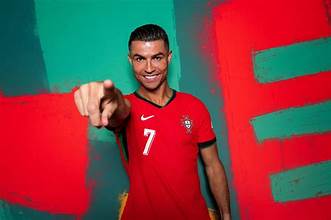
PELAKITA.ID – Few athletes in modern history have shaped global popular culture as powerfully as Cristiano Ronaldo. While football has produced countless legends — from Lionel Messi and Pelé to Diego Maradona — Ronaldo occupies a unique place in the imagination of younger generations.
For millions of fans around the world, especially teenagers and young adults, Ronaldo is more than a football player. He represents ambition, discipline, confidence, and self-transformation.
One major reason Ronaldo became such a global idol is his personal story.
Unlike some football stars who were viewed as naturally gifted prodigies from childhood, Ronaldo’s image was built around hard work and relentless self-improvement. Born on the island of Madeira in Portugal, he came from a modest background and rose through extraordinary discipline. Fans admire not only his talent but also the narrative that he “built himself” through sacrifice and obsession with excellence.
This makes him deeply relatable to many young people.
Ronaldo’s career sends a powerful message: success is earned, not inherited. His public image is strongly connected to training, physical fitness, self-confidence, and mental toughness. Stories about his strict diet, endless practice sessions, recovery routines, and competitive mentality have become legendary in sports culture. In the age of motivational content and self-development culture, Ronaldo fits perfectly into the modern ideal of personal achievement.
Another reason is visibility.
Ronaldo emerged during the explosive rise of social media, where personality became almost as important as athletic ability. He mastered the era better than perhaps any athlete in history. His presence on platforms like Instagram transformed him into a global lifestyle icon far beyond football. Fans do not only watch him score goals; they follow his workouts, family life, fashion, luxury lifestyle, and daily routines.
In many ways, Ronaldo became the prototype of the modern digital-age superstar.
His charisma also plays a crucial role. Ronaldo projects confidence with extraordinary intensity. His celebrations, body language, interviews, and public persona radiate certainty and dominance. Younger audiences often admire visible confidence, especially in competitive societies where success is increasingly associated with personal branding and self-belief.
By contrast, Messi is often admired differently.
Messi is widely seen as humble, quiet, naturally gifted, and artistically brilliant. Football purists frequently describe Messi as the more naturally talented player. However, Ronaldo’s appeal often extends beyond technical football discussions. He embodies aspiration. To many fans, especially those who dream of transforming their own lives, Ronaldo feels more like a symbol of possibility.
There is also the matter of longevity.
Ronaldo maintained elite performance levels across multiple leagues, countries, and football cultures — from Portugal to England, Spain, Italy, and beyond. He continuously adapted his game as he aged, reinventing himself physically and tactically. This sustained excellence reinforced his image as someone who refuses decline.
Generational idols are rarely chosen only because of talent. They become symbols of broader cultural values.
Ronaldo emerged in a world increasingly shaped by competition, global branding, hustle culture, fitness culture, and social media visibility. His image aligns perfectly with these values:
- relentless ambition,
- physical perfection,
- discipline,
- luxury,
- global fame,
- and individual achievement.
Even his famous “Siuuu” celebration became more than a goal celebration; it became a cultural ritual copied by children worldwide, from schoolyards to amateur football fields.
Importantly, Ronaldo’s influence crosses geography, language, and class. In Asia, Africa, the Middle East, Europe, and Latin America, many young fans see parts of themselves in his journey. He is admired not only by elite football audiences but also by ordinary people striving for upward mobility and recognition.
That does not diminish Messi or other football legends. Messi inspires awe through elegance, creativity, and genius. Maradona symbolized rebellion and passion. Pelé represented football’s global emergence. But Ronaldo became the face of modern ambition itself.
Ultimately, Cristiano Ronaldo became the idol of a generation because he represents more than football. He represents the belief that through discipline, visibility, confidence, and relentless work, a person can transform themselves into something extraordinary.