
PELAKITA.ID – MAKASSAR — Technological developments are transforming the ways people learn, communicate, and interact across national borders. Yet amid these changes, language, culture, history, and education continue to play an important role in fostering understanding among societies.
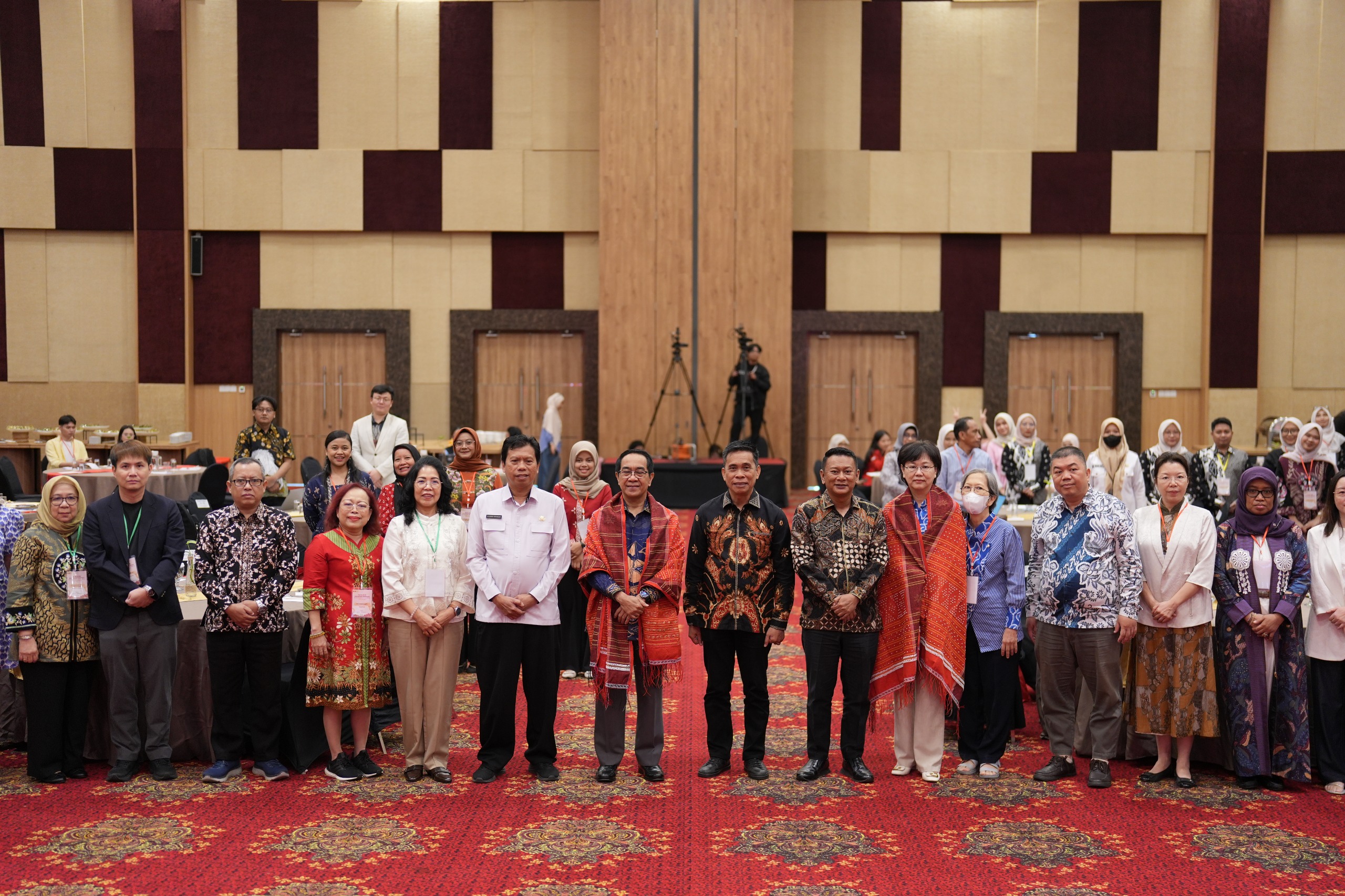
This perspective was at the heart of discussions at the 8th International Conference of the Association of Indonesian Mandarin Study Programmes (APSMI), hosted by the Undergraduate Programme in Mandarin Language and Chinese Culture at the Faculty of Cultural Sciences, Hasanuddin University (Unhas), at the Unhas Hotel and Convention on Wednesday (16 September 2026).
The conference carried the theme “Transforming the Humanities in China and Indonesia in the Society 5.0 Era: Language, Literature, Culture, History and Education.” The forum brought together academics, educators, and Mandarin-language scholars from universities across Indonesia, as well as representatives of several international institutions.
APSMI Chair Dr. Elly Romy, SE., B.A., M.CSCOL., said the conference provided an important platform for expanding academic networks and strengthening cooperation in the development of Mandarin-language education.
“Through various forms of cooperation, we can build greater collective strength to improve the quality of Mandarin-language teaching and development,” she said.
The conference featured speakers from Indonesia and abroad, including:
- Dr. Carmelea Ang See, De La Salle University, Philippines;
- Dr. Chan Ying Kit, National University of Singapore, Singapore;
- Prof. Dr. Akin Duli, MA, Hasanuddin University;
- Prof. Dr. R. Tuty Nur Mutia, S.S., M.Hum, University of Indonesia;
- Dr. Xi Lei, Nanchang University, China;
- Chen Yan, Confucius Institute of Poitiers, France;
- Assoc. Prof. Dr. Herman, B.Ed., M.TCSOL, Universal University, Indonesia; and
- Dr. Soen Ai Ling, MA, Darma Persada University, Indonesia.
In her report, Prof. Wu Xiao Ling, Coordinator of the Confucius Institute at Hasanuddin University, said the conference also featured the participation of an education official from the Embassy of the Republic of Indonesia in China, who joined the event online.
Those attending in person included officials from the Makassar City Education Office, Sinologists from Singapore and the Philippines, academics from universities across Indonesia, as well as heads and representatives of Mandarin-language study programmes from more than 30 higher education institutions.
Prof. Wu also welcomed three academics from Nanchang University in Jiangxi, China: Prof. Wang Shujun from the Faculty of Cultural Sciences, Dr. Xi Lei, and Dr. Zhang Lingmei from the Faculty of International Education.
The participation of academics from different countries broadened opportunities for knowledge exchange while bringing together networks in Mandarin-language education, Chinese studies, and the humanities from a range of institutions.
In his address, Hasanuddin University Rector Prof. Dr. Ir. Jamaluddin Jompa, M.Sc., encouraged the continued development of academic networks that have been established with various institutions in China through deeper collaboration.
He said academic relations between Indonesia and China could be expanded across a range of fields, including language learning, history, and civilisation. Understanding history, he added, can provide valuable lessons for younger generations as they reflect on the development of nations.
“By studying history, we can learn from the past and avoid repeating mistakes that have occurred before,” Prof. JJ said.
He also highlighted the importance of Mandarin proficiency in creating broader opportunities for communication and cooperation between Indonesia and China.
Meanwhile, Lestari Puspitaningsih, S.S., S.Sos., M.A., Ph.D., Education and Culture Attaché at the Embassy of the Republic of Indonesia in Beijing, highlighted the position of the humanities amid rapid technological development.
She emphasised that technological progress and culture need to develop alongside one another. The humanities, she said, remain essential to ensuring that people and human values continue to have a meaningful place in the development of society in the Society 5.0 era.
The forum also featured the signing of Memoranda of Understanding (MoUs) and cooperation agreements between participating institutions. The agreements form part of efforts to strengthen institutional relations and academic networks in the fields of language, education, and culture.
(*/dhs)