
Indonesia faces a serious challenge: 1.63 million SMK graduates are currently unemployed, revealing a persistent mismatch between graduates’ competencies and industry needs. At the same time, the government has set a national target to deploy 500,000 to 1,000,000 skilled Indonesian workers to the global market, particularly in sectors demanding technical talents.
PELAKITA.ID – The Government of Indonesia continues to advance its efforts to prepare vocational high school (SMK) graduates to compete in the global labor market.
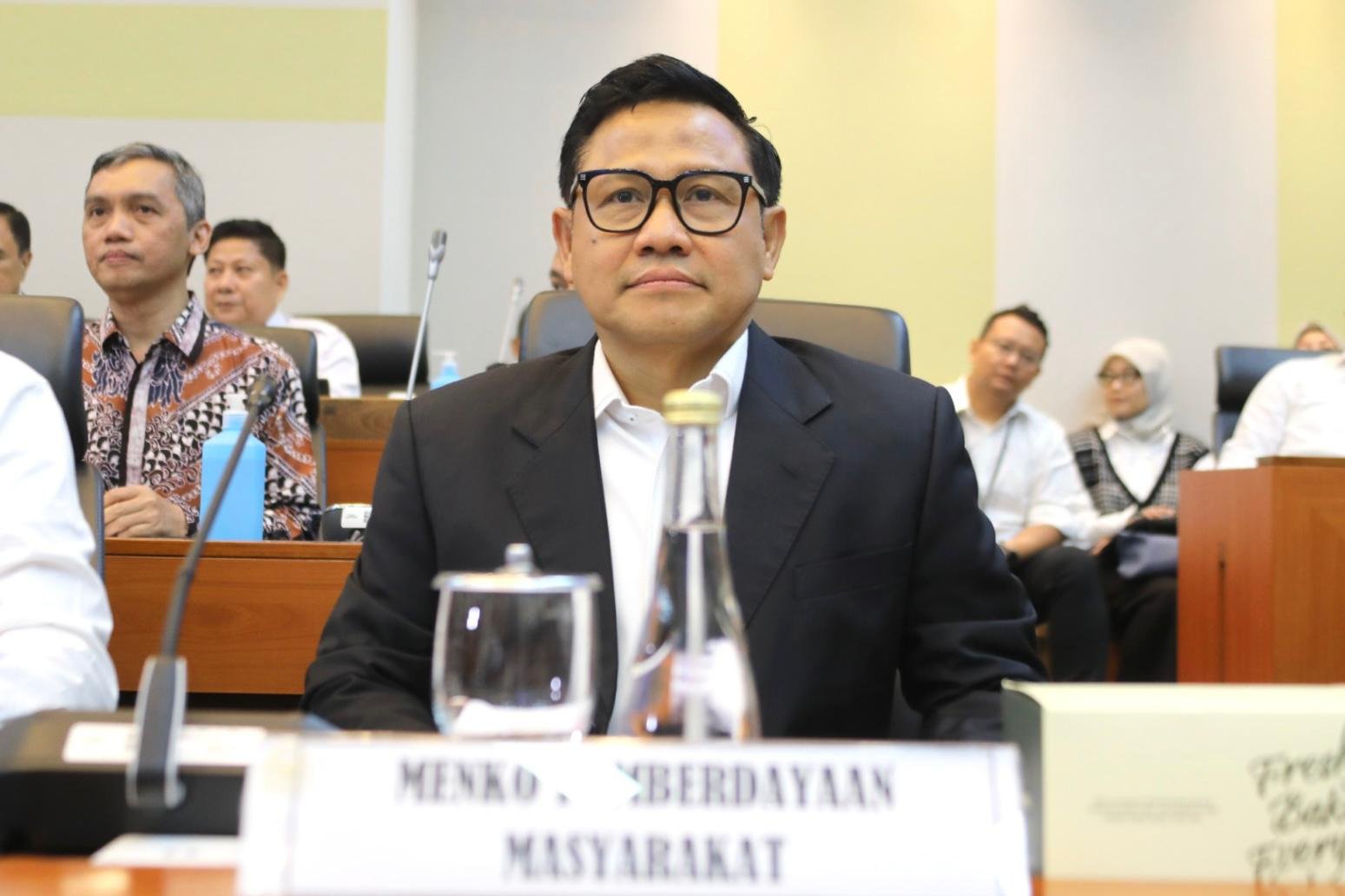
Through the SMK Go Global Program, the Coordinating Ministry for Community Empowerment (Kemenko PM) is organizing a series of workshops for SMK school principals in Bandung, Makassar, and Semarang in early December 2025.
One of the major sessions took place in Makassar on 3 December 2025, bringing together a wide range of stakeholders—from ministries and government agencies, industry players, to international organizations such as the Japan International Cooperation Agency (JICA), which participated as a key resource institution.
Responding to a National Challenge: 1.63 Million Unemployed SMK Graduates
Indonesia faces a serious challenge: 1.63 million SMK graduates are currently unemployed, revealing a persistent mismatch between graduates’ competencies and industry needs. At the same time, the government has set a national target to deploy 500,000 to 1,000,000 skilled Indonesian workers to the global market, particularly in sectors demanding technical talents.
To bridge this gap, the SMK Go Global Program adopts a comprehensive approach encompassing foreign language training, technical competency development, global work culture orientation, and soft-skills strengthening.
The government has allocated IDR 15–30 trillion, primarily through integrated scholarship and training schemes.
School Principals: Key Drivers of SMK Transformation
The workshop highlights a central message: school principals are the primary drivers of vocational education transformation. Their leadership is essential in:
-
aligning curricula with global competency standards,
-
upgrading teacher capacity,
-
modernizing learning facilities,
-
improving evaluation systems, and
-
forging partnerships with industry and international training institutions.
With strong leadership, SMKs are expected not only to prepare graduates for employment but to ensure they are competitive in international labor markets.
Bringing in Japan’s Perspective: A Priority Destination for Indonesian Skilled Workers
Makassar hosted deep-dive discussions on the global talent market—particularly Japan, which remains a priority destination for Indonesian skilled workers.
In the session “Japan’s Industrial Perspective: Standards & Competency Requirements,” JICA shared key insights on:
-
global competency standards,
-
Japanese work culture,
-
industry demand for skilled workers,
-
cooperation opportunities, and
-
training pathways.
Other contributors included the Ministry of Foreign Affairs, the Embassy of Japan, the Directorate General of Vocational Education, KP2MI, ASPATAKI, and AP2LN, offering a comprehensive overview of placement dynamics and opportunities in Japan.
Strategic Sessions Throughout the Workshop
The one-day workshop featured two main strategic sessions:
1. Strategic Insight Session I
Focusing on:
-
the direction and mechanisms of the SMK Go Global Program,
-
the national vocational education revitalization agenda,
-
challenges and opportunities for worker placement in Japan.
2. Strategic Insight Session II
Highlighting:
-
Japanese industry standards,
-
language and competency training for internships in Japan,
-
the Specified Skilled Worker (SSW) scheme,
-
the strategic role of school principals in preparing globally competitive graduates.
The workshop concluded with a collective reaffirmation that SMKs must evolve into centers of excellence for Indonesia’s global talent—producing graduates equipped with technical skills, cultural adaptability, and global employability.
Strengthening Leadership for Indonesia’s Future Workforce
The workshop reinforces the government’s commitment to ensuring that every school principal understands the strategic direction of vocational reform.
Transforming SMKs is not merely about curriculum revision; it requires comprehensive institutional change supported by strong governance, visionary leadership, and multisectoral collaboration.
With such shared commitment, the SMK Go Global Program marks an important milestone in Indonesia’s mission to develop a globally competitive generation—one that contributes not only to the national economy but also represents Indonesia’s excellence on the world stage.
(KA)