
These ten cities show that cleanliness is not about perfection, but about commitment—to people, to nature, and to future generations. They remind us that a clean city is ultimately a reflection of collective values, and that inspiration comes not just from how cities look, but from how they are governed and lived in.
PELAKITA.ID – Clean cities are not defined solely by spotless streets or efficient waste collection. The world’s most inspiring cities combine environmental responsibility, thoughtful governance, civic discipline, and a deep respect for public space.
Cleanliness, in these places, reflects values: how a city treats its people, nature, and future. Here are ten cities that stand out globally—not only for how clean they are, but for why they succeed.
1. Singapore – Cleanliness as a National Culture
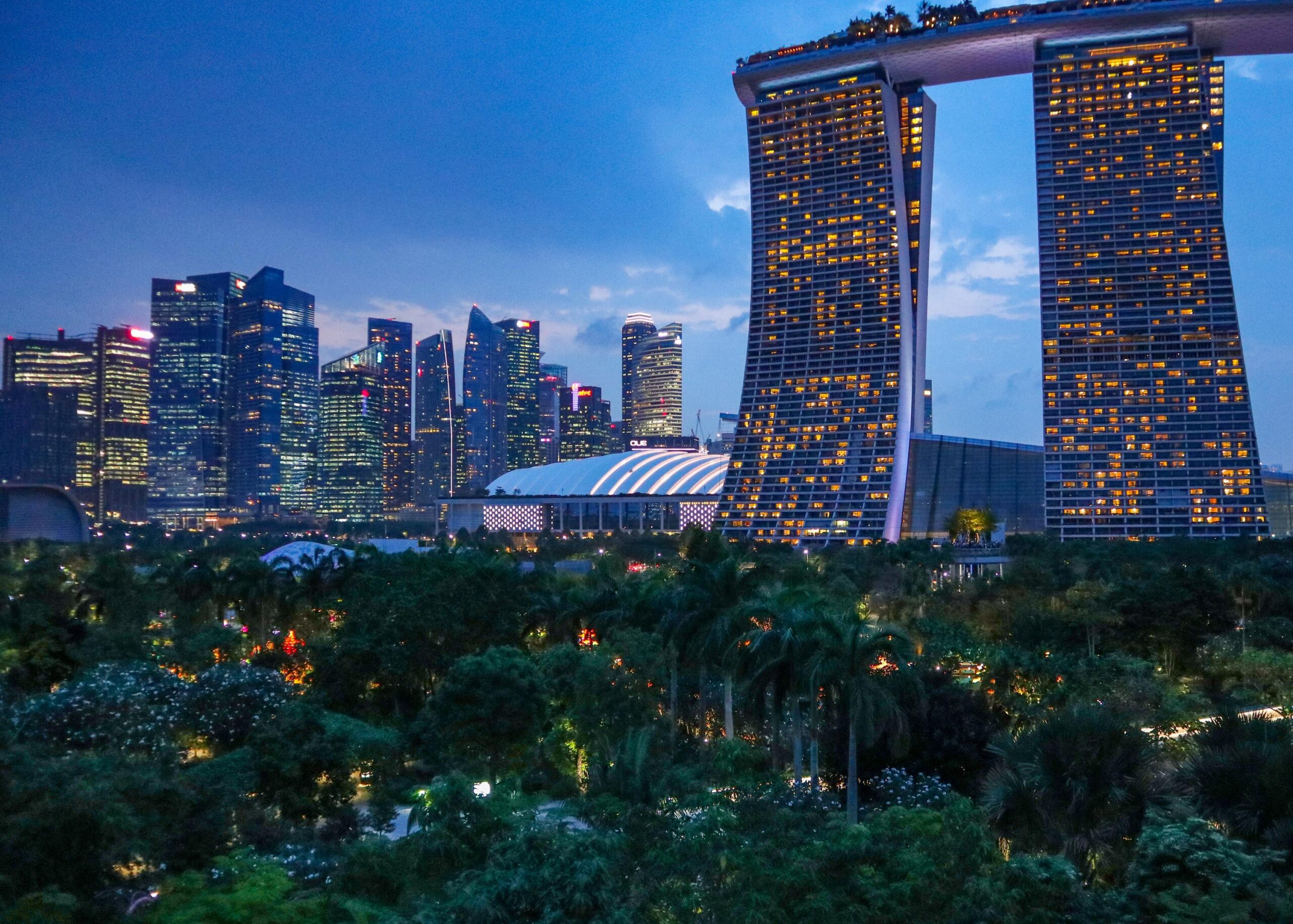
Singapore is often cited as the gold standard of urban cleanliness. Strict laws against littering, spitting, and vandalism are well known, but enforcement alone does not explain the city’s success.
Cleanliness in Singapore is embedded in education, urban planning, and public services. Waste management is highly efficient, green spaces are integrated into dense urban areas, and public transport reduces reliance on private cars. What makes Singapore special is how discipline, technology, and civic pride work together to create a consistently clean and orderly city.
2. Copenhagen – Sustainability as a Way of Life
Copenhagen proves that a city can be clean, vibrant, and relaxed at the same time. The Danish capital is renowned for its bicycle culture, with more bikes than cars on the streets.
Renewable energy, waste-to-energy plants, and strong environmental policies underpin the city’s cleanliness. What sets Copenhagen apart is citizen participation: people actively choose sustainable lifestyles because the city makes it easy, enjoyable, and socially rewarding.
3. Zurich – Precision, Order, and Environmental Responsibility
Zurich combines Swiss efficiency with environmental consciousness. Streets are spotless, public transport is punctual, and waste sorting is taken seriously by residents.
The city enforces strict recycling systems and invests heavily in water quality, ensuring rivers and lakes remain clean. Zurich’s uniqueness lies in how order and environmental ethics are normalized—cleanliness is simply part of everyday life, not an extraordinary effort.
4. Tokyo – Clean Without Trash Bins
Tokyo fascinates the world by being exceptionally clean despite having very few public trash bins. The reason lies in social norms: people take responsibility for their own waste. Public respect, discipline, and community values play a larger role than regulation alone. The city’s cleanliness extends beyond streets to public transport, public toilets, and neighborhoods. Tokyo stands out because cleanliness is driven by culture, not coercion.
5. Vancouver – Nature Integrated into the City
Vancouver consistently ranks among the cleanest cities in North America. Surrounded by mountains and the Pacific Ocean, the city has made environmental protection central to its identity. Clean air, well-managed waste systems, extensive green spaces, and strong climate policies define Vancouver.
What makes it inspiring is its success in blending urban living with nature, proving that economic growth and environmental care can coexist.
6. Reykjavik – Clean Energy, Clean Living
Reykjavik benefits from Iceland’s abundant geothermal and hydroelectric energy, making it one of the cleanest cities in terms of carbon footprint.
Nearly all electricity and heating come from renewable sources. The city’s air is fresh, water is among the cleanest in the world, and waste management is efficient. Reykjavik is special because its cleanliness is deeply tied to energy choices and respect for natural resources.
7. Vienna – Livability Through Thoughtful Planning
Vienna is celebrated not only for cleanliness but also for quality of life. The city invests heavily in public housing, green spaces, and efficient public transport.
Waste management and recycling are well organized, and streets and parks are meticulously maintained. Vienna’s distinction lies in its long-term urban planning, which prioritizes social equity and public well-being alongside environmental standards.
8. Helsinki – Design, Trust, and Environmental Ethics
Helsinki’s cleanliness reflects Finnish values of trust, simplicity, and respect for nature. The city emphasizes sustainable architecture, clean public spaces, and efficient public services. Residents trust institutions, and institutions trust citizens, resulting in high compliance with environmental regulations. Helsinki stands out because cleanliness emerges naturally from good governance and strong social cohesion.
9. Ljubljana – Europe’s Green Capital Success Story
Once an overlooked city, Ljubljana has transformed itself into one of Europe’s greenest and cleanest capitals. Pedestrianized city centers, strong recycling programs, and extensive green areas have reshaped urban life. The city has reduced car traffic significantly and invested in public spaces.
What makes Ljubljana inspiring is how political will and citizen engagement turned sustainability into a shared urban achievement.
10. Seoul – Technology and Clean Urban Transformation
Seoul demonstrates how a mega-city can become cleaner through innovation and governance. Advanced waste management systems, river restoration projects like Cheonggyecheon, and smart-city technologies have dramatically improved environmental quality.
Seoul’s uniqueness lies in its ability to combine scale, speed, and technology to reverse environmental degradation and create cleaner urban spaces.
What Truly Makes a City Clean and Inspiring?
Across these cities, several common threads emerge. Cleanliness is never accidental. It requires consistent leadership, effective institutions, public participation, and long-term vision. Laws matter, but culture matters more. Infrastructure is essential, but so is trust between citizens and government.
Most importantly, clean cities treat public space as a shared asset, not a neglected leftover.
These ten cities show that cleanliness is not about perfection, but about commitment—to people, to nature, and to future generations. They remind us that a clean city is ultimately a reflection of collective values, and that inspiration comes not just from how cities look, but from how they are governed and lived in.