

PELAKITA.ID – In the middle of Taka Bonerate National Park— Indonesia, an oceanic labyrinth of coral atolls, shallow lagoons, and shifting tides—lies Rajuni Island, a modest settlement that carries a profound story of resilience. For the Bajonese community who call it home, social capital is not a concept in textbooks.
It is the everyday mechanism that binds people to each other and to the sea.
Trust, cooperation, and cultural norms have become the compass that helps islanders navigate both opportunity and hardship.
Fishermen: Trust as an Anchor in Uncertain Seas
The fishermen of Rajuni inherit a legacy of maritime skill. Young boys learn navigation, weather reading, and fishing ethics not through formal classes, but at the feet of fathers and uncles who pass knowledge orally—an enduring form of bonding social capital.
Before sunrise, small groups of fishermen gather to discuss currents, fish sightings, and weather changes. These informal exchanges reduce risks and strengthen solidarity. Or even plan to travel to the other islands.
At sea, they rely heavily on trust. Boats often move in small clusters, watching over each other in case storms roll in or engines fail. No written agreements are needed.
Reciprocity is the rule: “lino-lino saling bantu”—we survive by helping each other. This shared dependence turns the dangerous sea into a cooperative space.

Wooden Cargo Traders: Bridging Communities Across the Archipelago
While fishing forms the backbone of subsistence, wooden cargo traders serve as Rajuni’s connection to the wider archipelago.
These traders, operating sturdy wooden vessels, travel from Selayar to Flores, Larantuka, Riung, and even Sumbawa and Bima. Their networks represent powerful bridging social capital, linking Rajuni to multiple economies and cultural circles.
A unique feature of this trade is its multi-island workforce.
Cargo skippers from Rajuni often recruit workers from Nusa Tenggara, Sulawesi, and other nearby islands. A young man from Flores may learn rigging techniques from a Bajonese captain; a deckhand from Lombok may spend months living in Rajuni, becoming part of the island’s extended kinship circles.
These relationships create fluid, inter-island social networks, allowing skills, stories, and even marriages to cross geographic boundaries.
This inter-island labor system reinforces the traders’ reputation-based economy: crews are selected through trust, debt agreements are honored through personal relationships, and partnerships often last for decades.
For Rajuni, these boats do more than transport cargo—they bring rice, fuel, building materials, and news, sustaining the island’s connection to the world.
Women’s Groups: Quiet Architects of Community Strength
Within the village lanes and under stilted wooden houses, women’s groups provide another pillar of social capital.
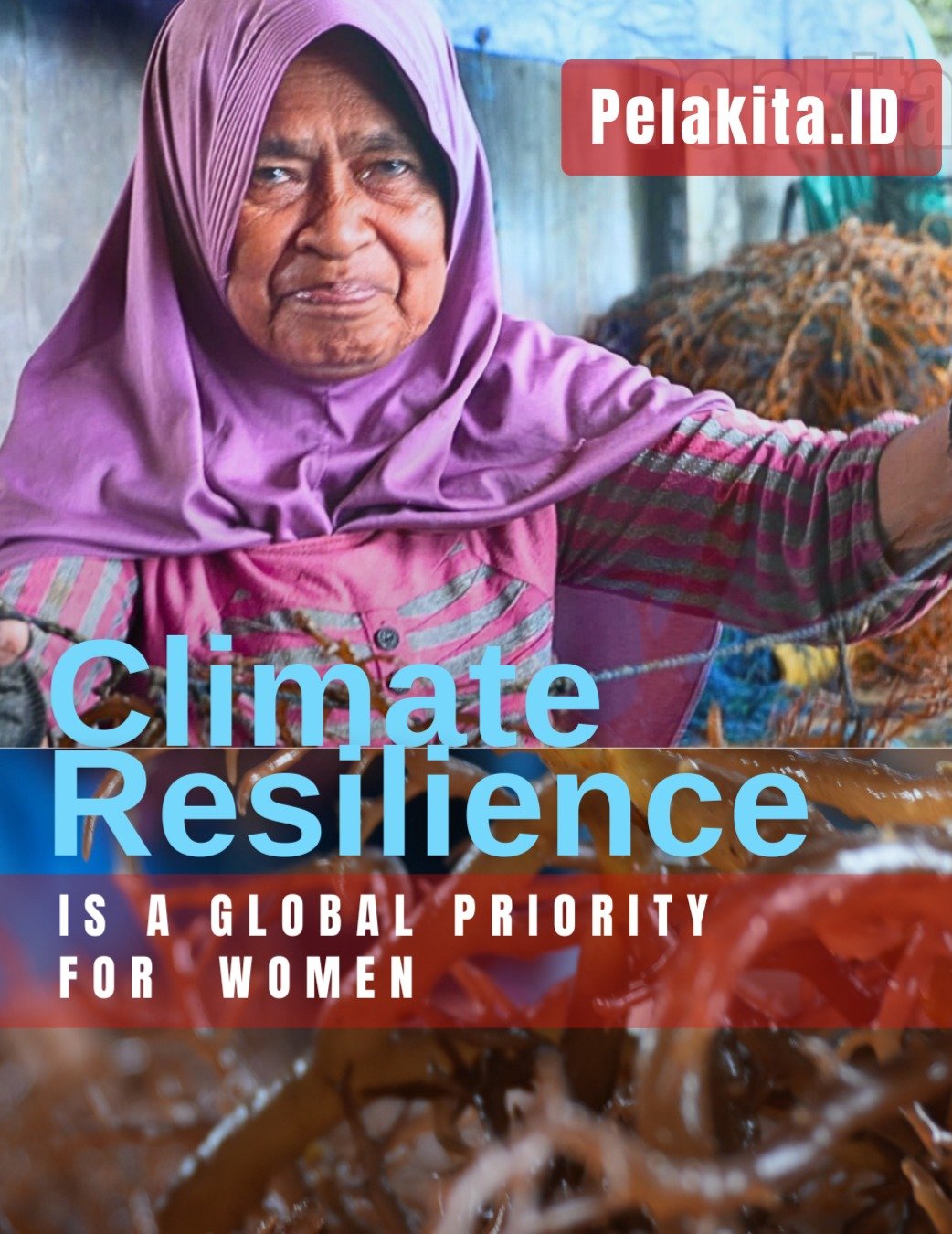
They organize rotating savings groups (arisan), produce salted fish, cultivate seaweed, and manage household finances. These groups offer emotional support, financial security, and collective problem-solving. In this part. we remember the women who sells fish to Makassar and Flores.
Women also possess many of the island’s strongest institutional linkages. Over the years, partnerships with community development programs, district extension officers, and conservation organizations have exposed women to training in: bookkeeping and small business skills, sustainable seaweed techniques, food processing and hygiene standards, leadership and facilitation skills.
Through these experiences, women not only strengthen their families but also act as anchors of continuity when men migrate or spend long periods at sea.
Youth: New Bridges Between Tradition and Modernity
Rajuni’s youth form an energetic social layer. Many return from school in Selayar or Makassar with new skills—from electronics to ecotourism management.
Youth groups organize coral and beach cleanups, assist park rangers, produce social media content, and document oral histories of the Bajonese people. They bridge traditional maritime knowledge with new digital and educational networks. In doing so, youth create emerging forms of social capital that connect Rajuni to NGOs, researchers, and wider conservation movements.
The Role of NGO Facilitators: LP3M and Beyond
Rajuni’s social capital has also been strengthened by external facilitators, especially during the early waves of community development in the 1990s and 2000s. One of the earliest organizations active in the region was LP3M Ujung Pandang, well known for its community facilitation work across coastal Sulawesi.
LP3M facilitators lived in or frequently visited Rajuni, helping residents organize: community meetings, livelihood planning sessions, conflict mediation processes, training in gender awareness and participatory development.
They introduced community mapping, household data collection, and group savings approaches long before these became common in government programs.
This nurtured a culture of participatory decision-making, which remains visible today.
Conservation Projects: Strengthening Linking Social Capital
As part of a national park, Rajuni has been a focal point for various conservation programs.
Over the years, initiatives from government agencies, universities, and NGOs—focused on coral reef monitoring, sustainable fishing, environmental education, and ranger collaboration—have shaped community behavior and strengthened linking social capital.
Programs on: patrol partnerships with park authorities, reef rehabilitation and monitoring, turtle conservation, marine protected area training, have opened channels between the community and national institutions.
These partnerships also empowered local champions—teachers, youth leaders, and fisher group coordinators—to act as bridges between national park regulations and everyday village needs.
Bajonese Cultural Logic: The Social Ocean Beneath Everything
At the heart of Rajuni’s social world is the Bajonese cultural system, grounded in maritime mobility, humility (kamase-masea), and mutual help (kasipalli).
Elders hold moral authority and act as mediators during disputes or resource-sharing decisions.
The community’s sea rituals, respect for elders, collective celebrations, and kinship-based decision-making shape the way people respond to challenges—whether it is declining fish stocks, storms, or the complexities of living in a protected area.
Conclusion: A Web of Relationships Stronger Than the Tides
For a small island in the vast Taka Bonerate seascape, Rajuni’s greatest resource is not merely its coral reefs or fishing grounds—it is its social capital.
Fishermen who watch each other’s backs, cargo traders who link islands across the archipelago, women who hold households together, youth forging new connections, and facilitators who have planted seeds of participatory leadership—all form a web of cooperation that keeps the community afloat.
In Rajuni, survival and progress are built not on individual strength, but on the remarkable power of relationships.