
PELAKITA.ID – Raja Ampat, located in West Papua, Indonesia, is often hailed as one of the most biodiverse marine regions on Earth. Its name literally means “Four Kings,” referring to the four main islands: Waigeo, Misool, Salawati, and Batanta.
Beyond its poetic name, Raja Ampat is a destination of unparalleled natural beauty, attracting divers, snorkelers, and eco-tourists from around the world. The archipelago’s reefs, lagoons, and islands offer experiences unlike anywhere else.
Here are nine essential things to know about Raja Ampat that make it unique and help visitors appreciate its magic responsibly.
1. A Global Coral Biodiversity Hotspot
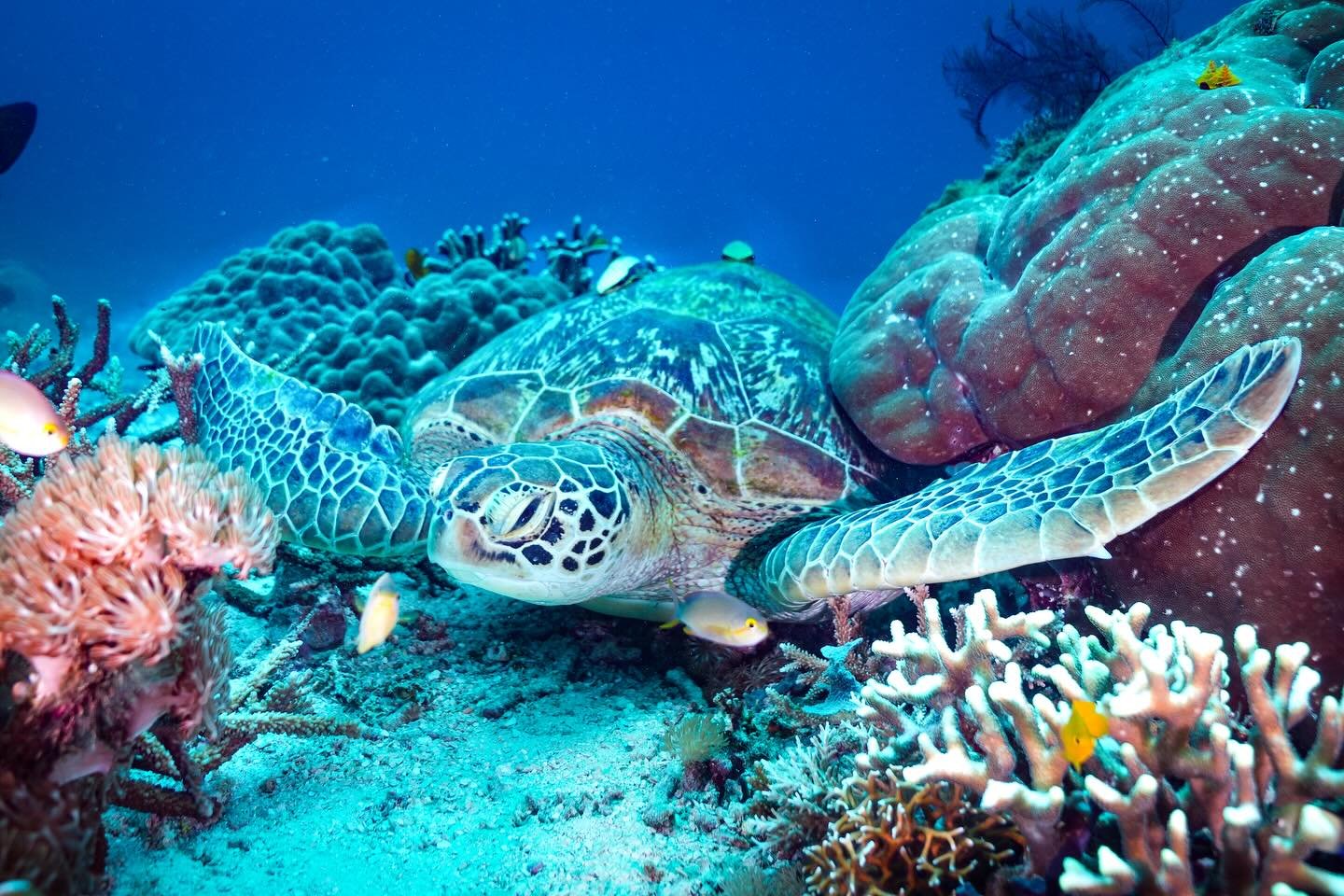
Raja Ampat lies at the heart of the Coral Triangle, the region with the highest marine biodiversity on the planet. Divers here can encounter over 500 species of coral and more than 1,300 species of reef fish, including endemic species found nowhere else.
The waters are teeming with colorful fish, manta rays, reef sharks, and even the occasional dugong. For visitors, this means that every dive or snorkeling trip can feel like stepping into a living aquarium where no two experiences are alike.
2. Remote and Pristine
Part of Raja Ampat’s appeal comes from its remoteness. Reaching the islands often requires flights, boat transfers, and sometimes overnight journeys, which limits mass tourism.
This isolation has helped preserve the coral reefs and surrounding ecosystems, making them some of the most pristine in the world. Visitors should be prepared for long travel times and rustic accommodations, but the reward is extraordinary natural beauty largely untouched by development.
3. Incredible Diving and Snorkeling Sites
Raja Ampat offers world-class diving, suitable for both beginners and advanced divers. Famous spots include Cape Kri, known for its astonishing density of fish per dive site, and Manta Sandy, where divers can observe manta rays feeding in shallow waters.
For snorkelers, Piaynemo Lagoon and shallow reef flats provide safe and breathtaking encounters with vibrant corals and schools of tropical fish. Visitors should know that dive guides are recommended to navigate strong currents safely and protect the fragile reef.
4. Cultural Richness of Local Villages
Beyond marine wonders, Raja Ampat is home to small communities with rich traditions. Villages such as Arborek and Sawinggrai allow visitors to learn about local crafts, traditional dances, and sustainable fishing practices.
The people of Raja Ampat have coexisted with their environment for generations, and respectful interaction is a principle visitors must uphold. Simple gestures, such as asking before taking photos and supporting community-run accommodations, can make a positive impact.
5. Conservation and Eco-Tourism Principles
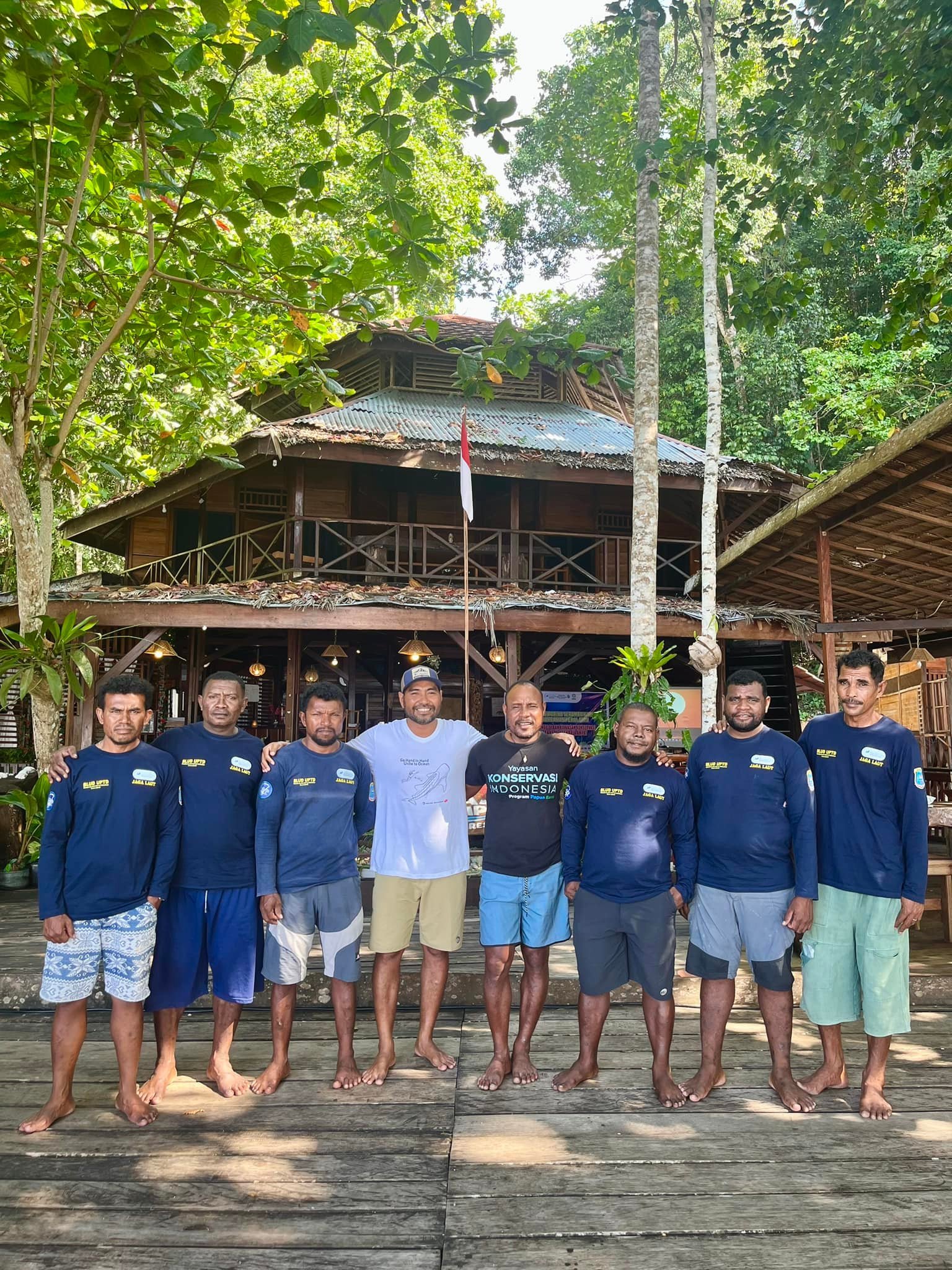
Raja Ampat is a model of marine conservation. Many areas are protected under local regulations and marine protected areas, with programs that involve local communities in reef monitoring and sustainable tourism.
Visitors should follow basic conservation principles, such as avoiding touching corals, using reef-safe sunscreen, and not collecting shells or marine life. These practices help ensure the reefs remain vibrant for generations.
6. Unique Geography and Scenery
The landscape of Raja Ampat is dramatic and surreal. Towering limestone islands rise from turquoise lagoons, mangrove forests line sheltered bays, and hidden beaches appear like secret treasures.
Wayag Islands is particularly famous for its karst formations and panoramic viewpoints. Visitors should bring lightweight hiking gear to climb viewpoints for stunning vistas and pack appropriate snorkeling or diving equipment to explore the surrounding reefs.
7. Rich Marine Megafauna
Raja Ampat is not only about coral and small reef fish—it also hosts larger marine species that excite divers and marine photographers.
Manta rays, reef sharks, and even whale sharks occasionally pass through these waters. Early morning dives or trips guided by experienced local operators increase the chances of encountering these majestic creatures, making every visit a potentially unforgettable wildlife experience.
8. Climate and Best Visiting Time
The best time to visit Raja Ampat is generally October to April, when waters are calm and visibility is highest. Rainfall can be heavy at times, but tropical showers rarely last all day. Water temperatures hover between 27–30°C (80–86°F), making snorkeling and diving comfortable year-round. Visitors should be prepared for tropical conditions and bring light, quick-drying clothing, reef-safe sun protection, and waterproof bags for gear.
9. Sustainable Tourism and Visitor Responsibilities
Because Raja Ampat is fragile and remote, visitor responsibility is key. Sustainable tourism practices help protect the reefs and communities:
-
Stay in eco-lodges or homestays managed by local communities.
-
Avoid single-use plastics; carry refillable bottles.
-
Respect local customs and village rules.
-
Follow dive and snorkeling guidelines to prevent reef damage.
-
Support local guides, crafts, and community-led initiatives.
By following these principles, visitors contribute to both the preservation of the environment and the wellbeing of local communities.
Dear Pelakita readers, Raja Ampat is more than a travel destination—it is a living testament to the richness and fragility of our oceans. Its extraordinary coral reefs, abundant marine life, and stunning island landscapes make it a dream for divers, snorkelers, and eco-conscious travelers.
Knowing about its biodiversity, local culture, conservation principles, and practical travel tips allows visitors to experience Raja Ampat fully while ensuring that this marine paradise remains vibrant for generations to come.
Whether you are gliding alongside manta rays, exploring hidden lagoons, or hiking to breathtaking viewpoints, Raja Ampat offers an experience that is both humbling and exhilarating. By respecting its environment and communities, travelers become part of the story that keeps Raja Ampat one of the crown jewels of the world’s oceans.
Refereces
General References for Raja Ampat Tourism and Coral Reefs
-
Coral Triangle Initiative (CTI-CFF) – Information on Raja Ampat’s biodiversity, coral species richness, and marine conservation efforts.
-
Indonesia’s Ministry of Tourism / Official Raja Ampat Tourism Portal – Guides on travel tips, eco-tourism practices, local culture, and village visits.
-
WWF Indonesia – Reports on marine conservation programs, reef protection, and sustainable tourism in Raja Ampat.
-
Marine Conservation Organizations – Studies from Reef Check, The Nature Conservancy, and other NGOs on coral reef health and biodiversity in Raja Ampat.
-
Diving and Travel Publications – Guides from PADI, Lonely Planet, and National Geographic highlighting dive sites, snorkeling spots, and marine wildlife.
-
Scientific Journals / Research Papers – Academic papers on coral reef ecology, endemic species, and biodiversity surveys in the Raja Ampat region.
-
Local Community Programs – Information on eco-lodges, homestays, and community-led conservation projects that integrate tourism with sustainability.