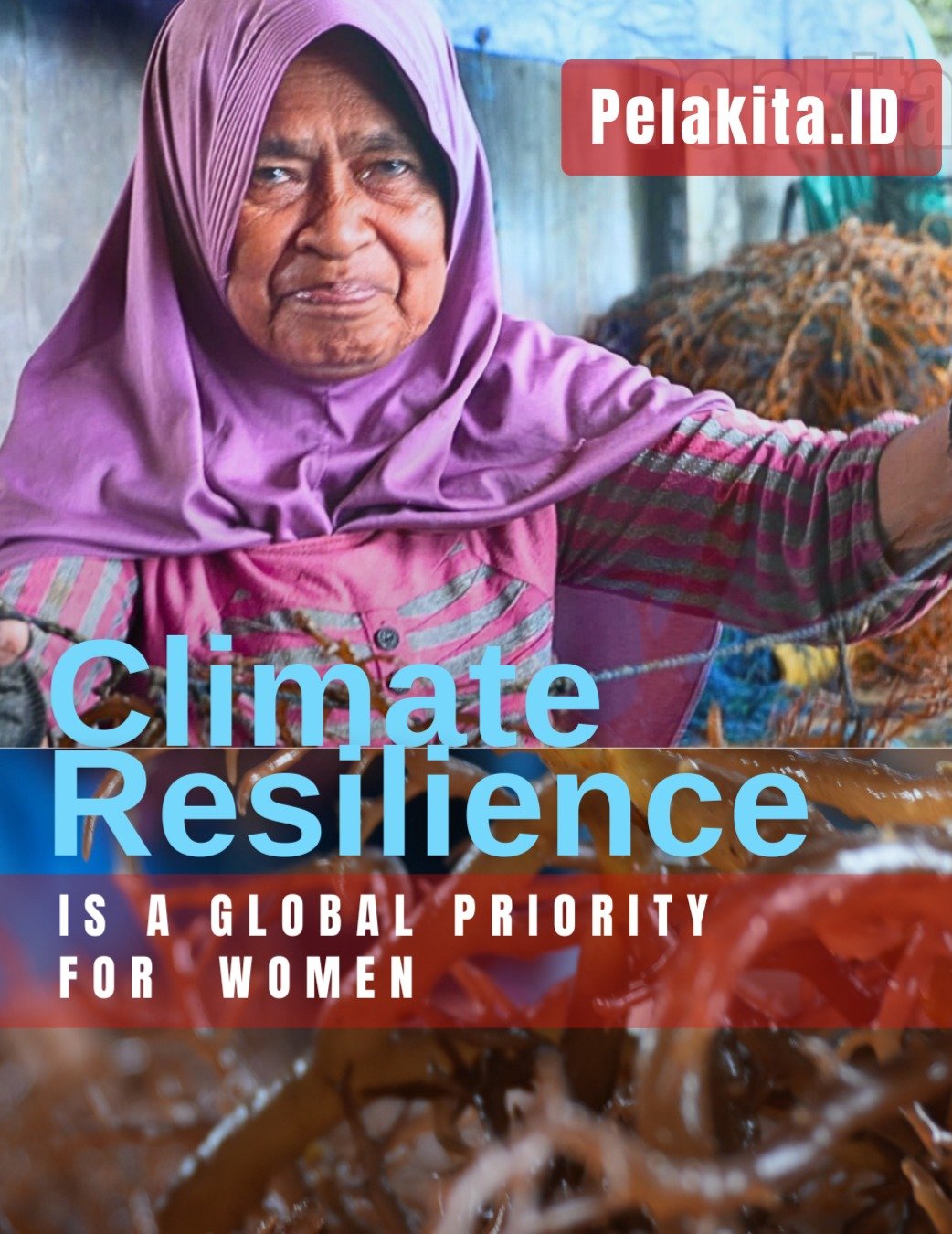


PELAKITA.ID – In Indonesia, Corporate Social Responsibility (CSR) — often referred to in legal terms as Tanggung Jawab Sosial dan Lingkungan (TJSL) — has evolved from a voluntary norm into a formal legal obligation embedded within several national laws and regulations.
At its core, CSR reflects the expectation that businesses not only generate profit but also contribute positively to society and the environment as part of sustainable development.
Legal and Regulatory Background
At the national level, CSR is grounded in Article 74 of the Company Law (Undang-Undang Nomor 40 Tahun 2007 tentang Perseroan Terbatas — UUPT).
It states that limited liability companies whose business activities are in or related to natural resources (SDA) are required to conduct social and environmental responsibility activities.
The law further mandates that such responsibility must be budgeted and recognized as a corporate cost, implemented with consideration for reasonability and fairness. Companies that neglect this duty can face sanctions under applicable law.
The Company Law’s CSR provisions are elaborated through Government Regulation No. 47 Tahun 2012 concerning Social and Environmental Responsibility of Limited Liability Companies (PP 47/2012).
This regulation requires companies to:
-
Prepare an annual CSR activity plan and budget;
-
Include CSR implementation and reporting in the Annual Report and present it to the General Meeting of Shareholders (RUPS);
-
Conduct CSR activities internally and externally — both within operational areas and for the broader community; and
-
Be accountable under the law if activities do not meet the mandated duties.
In addition to these, Law No. 25 Tahun 2007 on Investment reinforces CSR obligations for investors, requiring them to implement good corporate governance and social responsibility. Other sectoral laws — such as the State-Owned Enterprises (BUMN) Law and related Ministerial Regulations — also include CSR or TJSL requirements tailored to specific entities.
What is noteworthy in recent legal interpretations is that CSR is moving beyond charity or philanthropy into a mandatory component of corporate legality, especially for companies involved with natural resources or high-impact sectors like mining, plantations, oil and gas, and forestry.
While the core laws (Company Law and PP 47/2012) remain the reference framework, governments at national and regional levels are increasingly creating complementary rules to strengthen CSR outcomes.
New Regulatory Context and Legal Trends
Strictly speaking, there has been no entirely new standalone CSR law adopted in 2024–2025 to replace PP 47/2012 or Article 74 of the Company Law. However, several important regulatory and policy shifts have recently influenced how CSR is viewed in Indonesia:
-
Integration with ESG and Human Rights Frameworks:
The government has endorsed broader frameworks such as Environmental, Social, and Governance (ESG) standards and national strategies on business and human rights (e.g., Presidential Regulation No. 60/2023 on National Strategy for Business and Human Rights). These frameworks complement CSR by requiring companies to respect human rights, provide transparent governance, and mitigate environmental impacts as part of responsible business conduct (though they are not CSR-specific laws per se). -
Enhanced Role of Local Regulations (Perda):
Many provincial and district governments have enacted Peraturan Daerah (Regional Regulations) to govern CSR/TJSL more concretely within their jurisdictions. Examples include Bali Province’s CSR regulation and Purbalingga Regency’s TJSL rules, which aim to strengthen community engagement, environmental protection, and reporting transparency at the local level. These regional laws often tailor CSR expectations to local socio-economic priorities, effectively pushing companies operating in those regions to align with both national and local frameworks. -
Sector-Specific Emphasis:
Authorities and courts have clarified that CSR obligations are especially enforceable for sectors affecting the environment or local communities directly, such as mining, plantations, and forests, where environmental fines and enforcement actions have also been heightened for non-compliance. While these actions relate to environmental compliance rather than CSR alone, they reflect a broader expectation that companies internalize responsibility for social and environmental impacts. -
Sustainability Reporting Norms:
Entities regulated by the Financial Services Authority (OJK), especially financial institutions and public companies, face additional sustainability reporting requirements under OJK Regulation No. 51/POJK.03/2017. These require the disclosure of ESG practices — including CSR-related activities — as part of corporate annual reporting. This has the effect of making CSR more visible, measurable, and comparable across industries.
Coverage of CSR Regulation
Indonesian CSR regulation covers the following broad areas:
-
Mandatory scope:
Companies operating in natural resource sectors (mining, plantations, forestry, energy, oil and gas) are required to execute CSR as a legal obligation. -
Corporate governance alignment:
CSR planning must be part of the corporate work plan and budget, approved by appropriate corporate governance bodies like the Board of Directors and General Meeting of Shareholders. -
Annual reporting:
CSR activities must be included in the company’s annual reports and disclosed to shareholders and public stakeholders. -
Local government engagement:
Regional CSR regulations (Perda TJSL) may define specific CSR priorities based on local development goals, such as health, education, infrastructure, and environmental stewardship. -
ESG and sustainability applications:
CSR now functions within the broader ESG ecosystem, where environmental and social outcomes are integrated into risk assessment, reporting, and accountability processes.
Implementing CSR Effectively
To implement CSR “goodly” — meaning sustainably, transparently, and in alignment with legal obligations — companies should adopt the following best practice approaches:
-
Integrate CSR with Business Strategy:
Rather than treating CSR as ad hoc charity, embed it into the company’s core strategy and governance structures. Align CSR with business objectives, community needs, and environmental stewardship to create shared value. -
Plan and Budget Transparently:
Develop annual CSR plans with clear budgets, success indicators, and risk assessments. Engage stakeholders early—including local communities and government representatives—to co-design impactful programs. -
Comply with Reporting Standards:
Ensure CSR activities are documented in annual reports, and where required, adhere to ESG and sustainable finance disclosure standards. Transparent reporting improves corporate reputation and builds stakeholder trust. -
Monitor and Evaluate Impact:
Use key performance indicators (KPIs) to assess social and environmental outcomes. Independent evaluation, community feedback, and alignment with Sustainable Development Goals (SDGs) can enhance credibility and continuous improvement. -
Collaborate with Government and Communities:
Work with local governments, NGOs, and community groups to identify priority issues and co-implement CSR initiatives. This not only fulfills legal obligations but also strengthens community relations. -
Internalize ESG Principles:
Adopt ESG frameworks not merely for compliance but as guiding principles that drive ethical practices, risk reduction, and sustainable growth across corporate operations.
Conclusion
Indonesia’s CSR regulatory framework has matured from voluntary goodwill gestures to legally enforceable obligations, especially for resource-based industries.
Though the core legal framework remains anchored in the Company Law and PP 47/2012, recent trends demonstrate an expanding regulatory ecosystem centered around ESG accountability, sustainability reporting, and regional TJSL innovation. Companies that integrate CSR into strategic planning, reporting, and stakeholder engagement not only comply with the law but also contribute meaningfully to sustainable development in Indonesia.
References
-
Republik Indonesia. Undang-Undang Nomor 40 Tahun 2007 tentang Perseroan Terbatas (UUPT).
Article 74 – Tanggung Jawab Sosial dan Lingkungan. -
Republik Indonesia. Peraturan Pemerintah Nomor 47 Tahun 2012 tentang Tanggung Jawab Sosial dan Lingkungan Perseroan Terbatas (PP 47/2012).
– Official Government Regulation implementing CSR obligations. -
Republik Indonesia. Undang-Undang Nomor 25 Tahun 2007 tentang Penanaman Modal.
– Includes provisions on corporate governance and investor responsibility. -
Otoritas Jasa Keuangan (OJK). Peraturan OJK Nomor 51/POJK.03/2017 tentang Penerapan Keuangan Berkelanjutan bagi Lembaga Jasa Keuangan, Emiten, dan Perusahaan Publik.
– Sustainability reporting and ESG disclosure requirements. -
Republik Indonesia. Peraturan Presiden Nomor 60 Tahun 2023 tentang Strategi Nasional Bisnis dan Hak Asasi Manusia (SN BHAM).
– Provides a framework on business responsibility for human rights (complementary to CSR, increasingly relevant). -
Various Peraturan Daerah (Regional Regulations) on Tanggung Jawab Sosial dan Lingkungan (TJSL) (e.g., Bali Province, Purbalingga Regency, and others).
– Local implementation and enforcement of corporate responsibility requirements. -
Nusantara Legal. (2023). General Overview of Corporate Social Responsibility in Indonesia.
– Legal analysis of CSR obligations under Indonesian law. -
Pemantau CSR Indonesia. (2024). Peraturan Daerah Terbaru tentang Tanggung Jawab Sosial dan Lingkungan di Indonesia.
– Survey of regional CSR regulations and their implementation. -
Chambers & Partners – Practice Guides. (2025). Corporate Governance Indonesia: Sustainability & ESG Law.
– Explains ESG frameworks and sustainability reporting in the Indonesian context. -
Dunia Fintech. (2023). CSR dan ESG dalam Dunia Perusahaan di Indonesia.
– Commentary on CSR linkages with ESG. -
Liputan6. (2023). CSR Adalah: Tanggung Jawab Sosial Perusahaan, Tujuan dan Implementasinya.
– Practical explanation of CSR implementation in the Indonesian business context. -
Reuters. (2025). Indonesia Fines Dozens of Palm Oil and Mining Companies in Forest Enforcement Move.
– Example of environmental compliance enforcement relevant to CSR/ESG. -
World Bank. (2022). Indonesia Economic Monitor: Investing in Sustainable Development.
– Provides context on private sector responsibility and sustainability trends.