
Jakarta — 23 December 2025
PELAKITA.ID – The Directorate General of Capture Fisheries (DJPT) under Indonesia’s Ministry of Marine Affairs and Fisheries (KKP) convened its annual fisheries management meeting focusing on three key commercial species — blue swimming crab (rajungan), squid, and shrimp — in Fisheries Management Area of the Republic of Indonesia (WPPNRI) 712, which covers the Java Sea.
The annual forum forms an integral part of Indonesia’s ongoing efforts to strengthen sustainable and responsible fisheries governance.
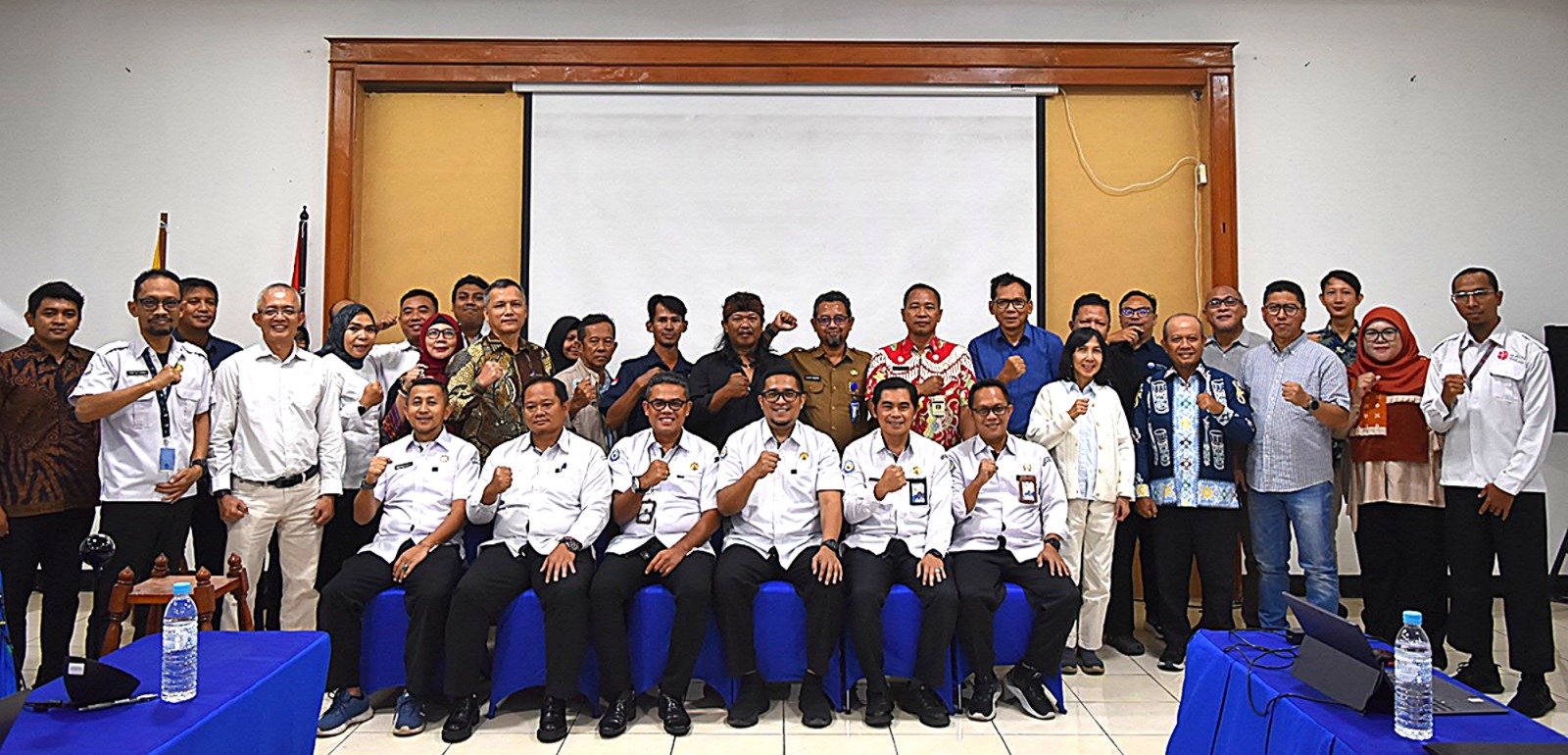
It brought together government officials, scientists, industry representatives, and other stakeholders to review annual performance, assess management effectiveness, and formulate strategic recommendations for fisheries management in the year ahead.
Strengthening Science-Based Fisheries Management
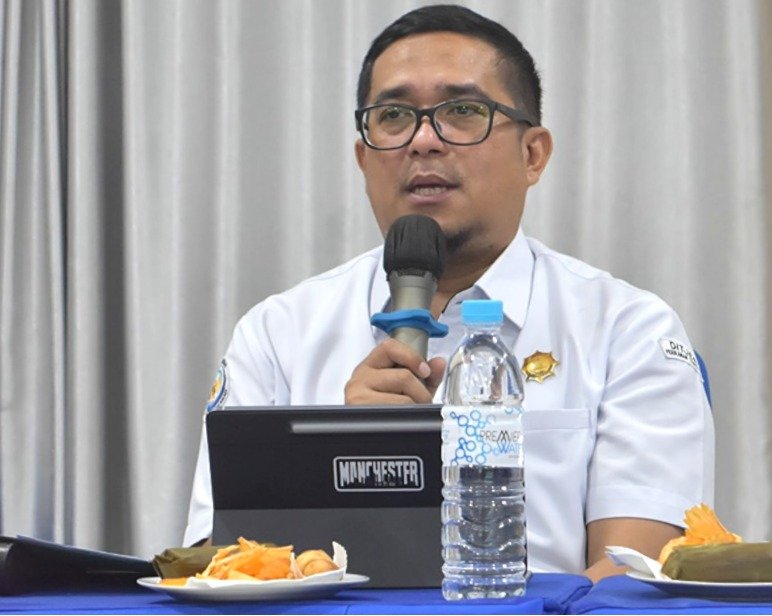
A central objective of the meeting was to ensure that fisheries management decisions are firmly grounded in scientific evidence. Researchers and technical experts presented the latest data on stock status, exploitation levels, and population trends for crab, squid, and shrimp in WPPNRI 712.
These findings are critical for determining appropriate harvest strategies, assessing sustainability thresholds, and guiding future policy decisions.
This science-driven approach aligns closely with the Ministry’s broader commitment to implementing Measured Fishing (Penangkapan Ikan Terukur / PIT) — a flagship policy aimed at regulating fishing activities and catch limits based on reliable data, transparent reporting, and ecological sustainability.
Inclusive Stakeholder Participation
The meeting featured broad participation from across the fisheries sector, including DJPT officials and fisheries scientists, representatives of regional fisheries management units, non-governmental organizations, international partners, as well as fishermen and industry players.
Such multi-stakeholder engagement reflects Indonesia’s commitment to inclusive and collaborative fisheries governance, recognizing that sustainable resource management requires the active involvement of all parties connected to the fisheries value chain.
Key Commodities: Crab, Squid, and Shrimp
Blue swimming crab (rajungan) remains one of Indonesia’s most valuable export-oriented fisheries commodities, with WPPNRI 712 identified as one of its main production areas.
Discussions emphasized the importance of improving data collection systems, strengthening stock assessments, and applying biological reference points to ensure harvest levels remain sustainable.
In addition, squid and shrimp were highlighted for their significant economic contribution and their role in supporting coastal livelihoods. Scientific updates presented during the meeting support the development of adaptive management measures designed to balance economic utilization with long-term ecosystem health.
Outcomes and Strategic Directions
Although detailed resolutions will be finalized through follow-up reports, participants reached consensus on several strategic priorities, including:
-
Strengthening scientific monitoring and stock assessment capacity
-
Enhancing data transparency and fisheries reporting systems
-
Improving alignment between local and national management frameworks
-
Sustaining stakeholder participation in fisheries decision-making
Together, these priorities aim to ensure that fisheries in WPPNRI 712 remain productive, resilient, and sustainable, while continuing to support coastal economies and marine conservation.
Looking Ahead
As Indonesia continues to refine its fisheries governance framework, annual meetings such as this play a vital role in evaluating progress and translating science into policy action.
Ongoing collaboration among government institutions, research bodies, industry actors, and fishing communities will remain essential to achieving Indonesia’s vision of sustainable, equitable, and science-based fisheries management.