
Notes from the Peaky Blinders Part 1
_______
PELAKITA.ID -In the soot-choked industrial leviathan of 1919 Small Heath, the air is thick with more than just coal smoke; it is heavy with the scent of a collapsing social order.
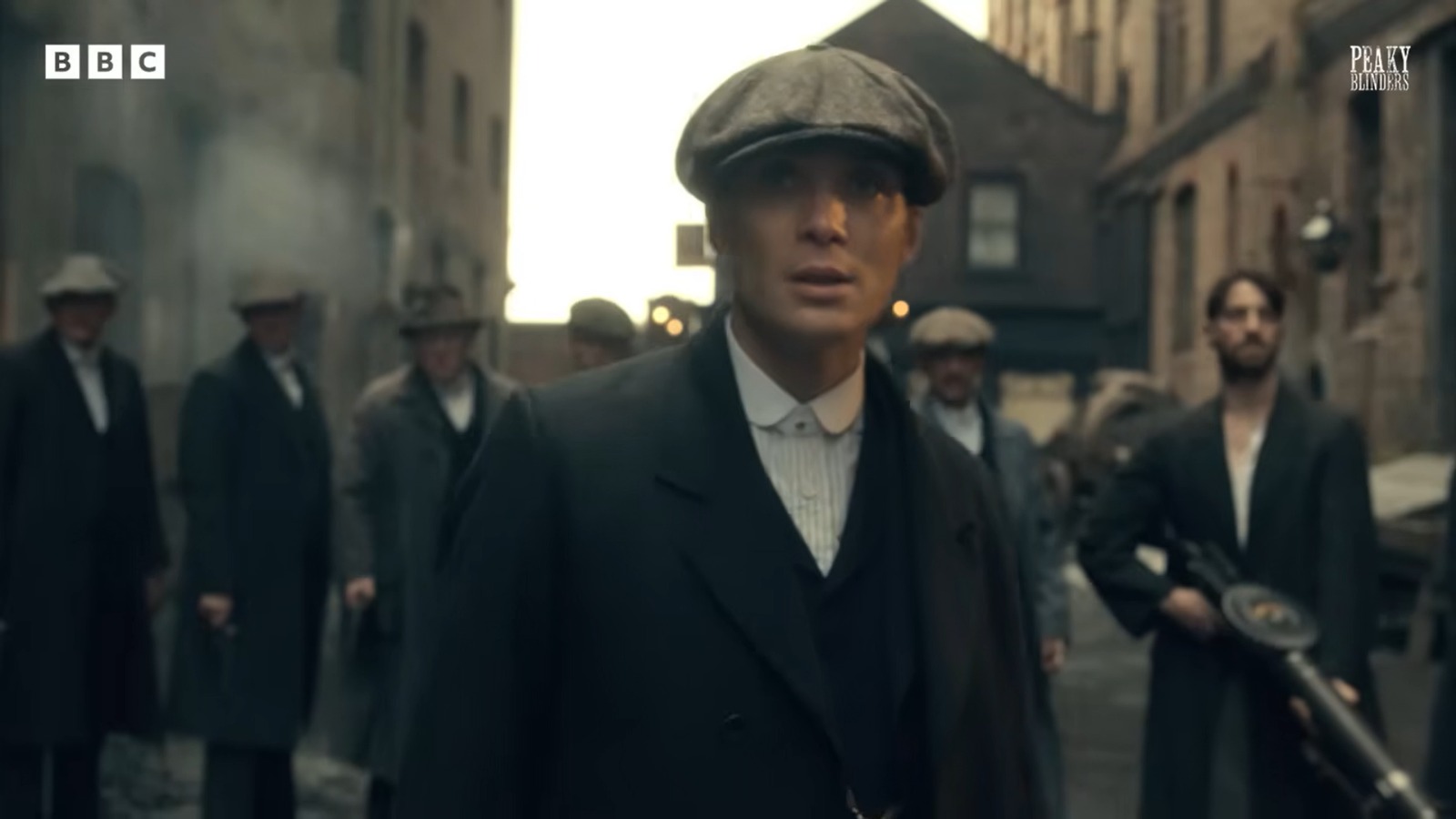
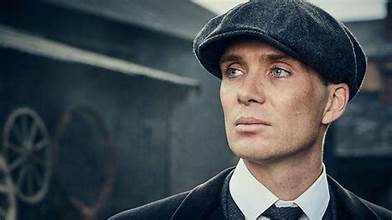
While post-Edwardian Britain staggers through the socio-political vacuum left by the Great War, the Shelby family—led by the chillingly cerebral Thomas Shelby—is busy occupying the liminal space between the law and the underworld.
Their rise is not merely a chronicle of provincial violence, but a masterclass in narrative strategy, demonstrating how a localized gang leverages psychological warfare and administrative manipulation to challenge the Crown, the police, and international revolutionaries simultaneously.
1. The Psychology of the “Long Game” (The Powder Trick)
Thomas Shelby’s manipulation of the racehorse “Monahan Boy” is a foundational study in the construction and subsequent weaponization of Brand Equity. By employing a “magic spell”—a carefully staged powder ritual involving a girl who tells fortunes—Tommy isn’t just fixing a race; he is manufacturing a supernatural mythos.
He understands that the working class of Birmingham, desperate for hope, will believe in folklore and miracles more readily than in mathematics, and he uses this superstition to cultivate a neighborhood-wide investment in his “inside track.”
This strategy relies on the counter-intuitive principle that to maximize a “short,” one must first allow the target to win. Tommy is playing for a total liquidation of local capital.
By allowing the Garrison and eventually the whole of Small Heath to witness the horse winning small, he builds a peak of public confidence. Only when the betting reaches its fever pitch—when thousands of pounds are on the line—does he intend to let the horse lose, proving that a strategist’s greatest asset is the manufactured trust of his future victims.
“Word will spread so the next time we do the powder trick it won’t be just a Garrison that’ll bet on the horse it’ll be the whole of Small Heath… and the third time we do it we’ll have the whole of Birmingham betting on it… and that time when we are ready the horse will lose.”
2. Radical Patriotism Through Fire (Burning the King)
When the Shelbys orchestrate a public bonfire of King George V’s portraits, it appears to be blatant treason; in reality, it is a masterstroke of administrative warfare.
By inviting a reporter from the Birmingham Evening Dispatch to witness the act, Tommy Shelby reframes the narrative from sedition to protective loyalty. He leverages his status as a war hero who won gallantry medals at the Somme, arguing that veterans refuse to let the King’s likeness look down upon the corruption of the local police force.
This maneuver creates a sophisticated “Legal Shield” against Inspector Campbell and the Home Office. By making the King’s image a central figure in the dispute, Tommy forces the hand of Winston Churchill, who cannot risk a public trial that would publicize an “embarrassment to His Majesty.”
Tommy effectively uses the state’s own bureaucracy and the sanctity of the Crown to paralyze the police, proving that a strategist can win by making the cost of an opponent’s victory too politically expensive to bear.
“We don’t want our beloved King looking down and seeing the things that have been done to us… our King walked through the flames of war… and now we’re being attacked in our own homes.”
3. Diplomacy via Matrimony (The Lee Family Merger)
The escalating conflict with the Lee family, a volatile Gypsy faction, represents a threat that could result in mutual annihilation. Tommy’s resolution is not tactical escalation, but a diplomatic merger codified through the marriage of his brother, John, to Esme Lee.
This transition from “blood on the tracks” to a formal union of two powerful bloodlines highlights the Shelbys’ evolution from street thugs to narrative strategists who treat marriage as a binding peace treaty.
By “mingling the two bloods,” Tommy secures a strategic alliance that provides both manpower and logistical intelligence. He frames the stakes with brutal clarity: it is a choice between a “fucking tea party” or a conflict that would rival the Somme. This merger proves that the most enduring victories are not won by eliminating the enemy, but by making the enemy’s survival dependent on your own success.
“If you back out now there’s going to be one fucking mighty war breaking out here that’s going to make the Somme look like a fucking tea party… but if you marry her our family and the Lee family will be united forever and this war will be over.”
4. The Ghost of the Trenches (Post-War Identity)
The men of the Peaky Blinders possess an asymmetric psychological advantage rooted in their “pre-dead” status. Haunted by the “clay of Flanders,” their shared trauma has fundamentally severed their connection to traditional authority and divinity. For characters like Danny Whizz-Bang, the war never truly ended; it merely shifted locations. This nihilism makes them exceptionally dangerous in civilian life, as men who have already survived the end of the world have no fear of the law, the gallows, or the afterlife.
This post-war identity is defined by a hallucinatory blurring of reality, where Danny sees “German infantrymen in the back of milk carts.” For these veterans, the artillery of France “blew God right out” of their heads, leaving a moral vacuum. Their fearlessness is a tactical asset; they are living on borrowed time, operating with the reckless precision of men who believe they died in the mud years ago and are simply waiting for the world to catch up.
“I suppose they ought to pray now… those fucking guns they blew God right out of me head.”
5. The “No Man’s Land” Intervention
The climax of the gang war between the Shelbys and Billy Kimber’s forces is subverted by a radical intervention in the “No Man’s Land” of the Birmingham streets. Ada Thorne (née Shelby) steps between the warring factions with her child, effectively weaponizing domestic reality against the romanticized tropes of gang violence.
Her presence as a “Thorn”—a union of the Shelby name and the revolutionary cause—forces the men to look directly at the human wreckage they are prepared to leave behind.
Ada’s intervention is the ultimate power play because it strips the combatants of their tactical justifications. By declaring that she is already “wearing black in preparation,” she forces every man on the line to visualize their own funeral.
This subversion proves that the most impactful power lies not with those holding the guns, but with those who refuse to allow the cycle of violence to continue, forcing a pause in the slaughter through the sheer weight of familial consequence.
“I’ve got brothers and a husband here but you’ve all got somebody waiting for you… I’m wearing black in preparation. I want you to look at me: who’ll be wearing black for you? Think about them right now.”
Conclusion: A Legacy Forged in Steel
The rise of the Shelby family is a testament to the fact that in a world stripped of its old certainties, power belongs to those who can forge a new narrative. F
rom the calculated deception of the betting shops to the symbolic fires of the streets, Tommy Shelby navigates a path through a world that largely abandoned its soldiers the moment the guns fell silent.
As the Peaky Blinders expand their reach, the fundamental paradox remains: is Thomas Shelby a villain, a hero, or simply a man whose “red right hand” is the only thing keeping his family alive in a world that has discarded them? In 1919 Birmingham, the line between survival and ambition is as thin as a razor’s edge, and only the most ruthless strategist survives the cut.
_____
Bahasa Indonesia
Kekuasaan, Serbuk, dan Paradoks: 5 Pelajaran Tanpa Filter dari Jalanan Birmingham 1919
Di raksasa industri tahun 1919 di Small Heath yang dipenuhi jelaga, udara tidak hanya sarat asap batu bara; ia juga dipenuhi aroma runtuhnya tatanan sosial.
Saat Inggris pasca-Edwardian terhuyung dalam kekosongan sosial-politik akibat Perang Dunia, keluarga Shelby—dipimpin oleh Thomas Shelby yang dingin dan sangat kalkulatif—sibuk menempati ruang abu-abu antara hukum dan dunia kriminal.
Kenaikan mereka bukan sekadar kronik kekerasan lokal, melainkan sebuah mahakarya strategi naratif, yang menunjukkan bagaimana geng kecil memanfaatkan perang psikologis dan manipulasi administratif untuk menantang Mahkota, polisi, dan revolusioner internasional sekaligus.
1. Psikologi “Permainan Jangka Panjang” (Trik Serbuk)
Manipulasi Thomas Shelby terhadap kuda pacu “Monahan Boy” adalah studi dasar tentang bagaimana membangun dan kemudian mempersenjatai nilai merek (brand equity).
Dengan menggunakan “mantra”—ritual serbuk yang direkayasa dengan cermat bersama seorang peramal—Tommy tidak sekadar mengatur hasil balapan; ia menciptakan mitos supranatural.
Ia memahami bahwa kelas pekerja Birmingham, yang putus asa akan harapan, lebih mudah percaya pada cerita rakyat dan keajaiban daripada matematika. Ia memanfaatkan takhayul ini untuk membangun kepercayaan kolektif terhadap “orang dalam” miliknya.
Strategi ini bertumpu pada prinsip yang berlawanan dengan intuisi: untuk menang besar, Anda harus terlebih dahulu membiarkan target menang. Tommy bermain untuk menguras total modal lokal.
Dengan membiarkan kuda itu menang kecil di awal, ia membangun puncak kepercayaan publik. Ketika taruhan mencapai titik puncaknya—saat ribuan pound dipertaruhkan—barulah ia berniat membuat kuda itu kalah.
2. Patriotisme Radikal Lewat Api (Membakar Raja)
Saat keluarga Shelby membakar potret Raja George V di depan umum, itu tampak seperti pengkhianatan. Namun sebenarnya, itu adalah langkah cerdas dalam perang administratif.
Dengan mengundang wartawan untuk menyaksikan, Tommy membingkai ulang narasi dari pemberontakan menjadi bentuk loyalitas protektif.
Ia memanfaatkan statusnya sebagai pahlawan perang yang pernah bertempur di Somme, dengan argumen bahwa para veteran tidak ingin citra Raja ternodai oleh korupsi polisi lokal.
Langkah ini menciptakan “perisai hukum” terhadap aparat. Dengan menjadikan simbol Raja sebagai pusat konflik, Tommy memaksa pemerintah berpikir ulang, karena proses hukum akan menjadi aib publik.
Ia membuktikan bahwa kemenangan bisa diraih dengan membuat biaya politik bagi lawan menjadi terlalu mahal.
3. Diplomasi Melalui Pernikahan (Aliansi dengan Keluarga Lee)
Konflik dengan keluarga Lee—faksi Gipsi yang keras—berpotensi berujung kehancuran bersama. Solusi Tommy bukan eskalasi, melainkan aliansi melalui pernikahan antara John Shelby dan Esme Lee.
Transformasi ini menunjukkan evolusi Shelby dari preman jalanan menjadi ahli strategi yang memperlakukan pernikahan sebagai perjanjian damai. Dengan “mencampurkan darah,” Tommy memperoleh kekuatan manusia dan intelijen logistik.
Ia menegaskan pilihannya dengan gamblang: pesta teh atau perang sebesar Somme. Aliansi ini membuktikan bahwa kemenangan paling tahan lama bukan dengan menghancurkan musuh, tetapi dengan membuat kelangsungan hidup mereka bergantung pada kesuksesan Anda.
4. Hantu Parit Perang (Identitas Pasca-Perang)
Para anggota Peaky Blinders memiliki keunggulan psikologis: mereka merasa sudah “mati lebih dulu.” Trauma perang di Flanders memutus hubungan mereka dengan otoritas, moralitas, bahkan Tuhan.
Bagi sosok seperti Danny Whizz-Bang, perang tidak pernah benar-benar berakhir—hanya berpindah tempat. Hal ini membuat mereka sangat berbahaya dalam kehidupan sipil.
Orang yang telah melewati kiamat tidak lagi takut hukum, kematian, atau akhirat.
Identitas ini ditandai dengan realitas yang kabur—halusinasi tentara Jerman di gerobak susu, dan keyakinan bahwa perang telah “meniup Tuhan keluar dari kepala mereka.” Ketakutan yang hilang menjadi aset taktis: mereka hidup seolah waktu pinjaman.
5. Intervensi “No Man’s Land”
Puncak konflik antara Shelby dan kelompok Billy Kimber justru dihentikan oleh intervensi radikal di “tanah tak bertuan.” Ada Thorne (Shelby) berdiri di antara dua kubu dengan anaknya, menjadikan realitas domestik sebagai senjata melawan romantisasi kekerasan.
Kehadirannya memaksa para pria melihat konsekuensi manusia dari tindakan mereka. Dengan mengatakan bahwa ia sudah “berpakaian hitam untuk persiapan,” ia memaksa setiap orang membayangkan kematian mereka sendiri.
Ini adalah bentuk kekuasaan tertinggi: bukan pada mereka yang memegang senjata, tetapi pada mereka yang mampu menghentikan siklus kekerasan dengan menghadirkan realitas yang tak terbantahkan.
Kesimpulan: Warisan yang Ditempa dari Baja
Kebangkitan keluarga Shelby membuktikan bahwa dalam dunia yang kehilangan kepastian lama, kekuasaan dimiliki oleh mereka yang mampu menciptakan narasi baru. Dari manipulasi taruhan hingga simbolisme api di jalanan, Thomas Shelby menavigasi dunia yang telah meninggalkan para tentaranya.
Paradoks utamanya tetap: apakah Thomas Shelby seorang penjahat, pahlawan, atau sekadar pria yang “tangan kanannya yang berdarah” menjadi satu-satunya cara menjaga keluarganya tetap hidup?
Di Birmingham tahun 1919, batas antara bertahan hidup dan ambisi setipis mata pisau—dan hanya mereka yang paling kejam dan cerdas yang mampu melewatinya.